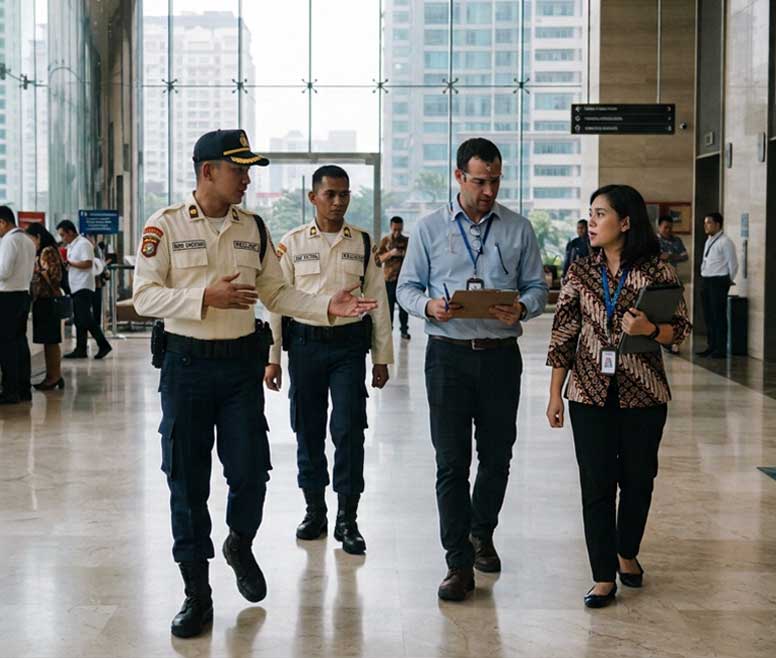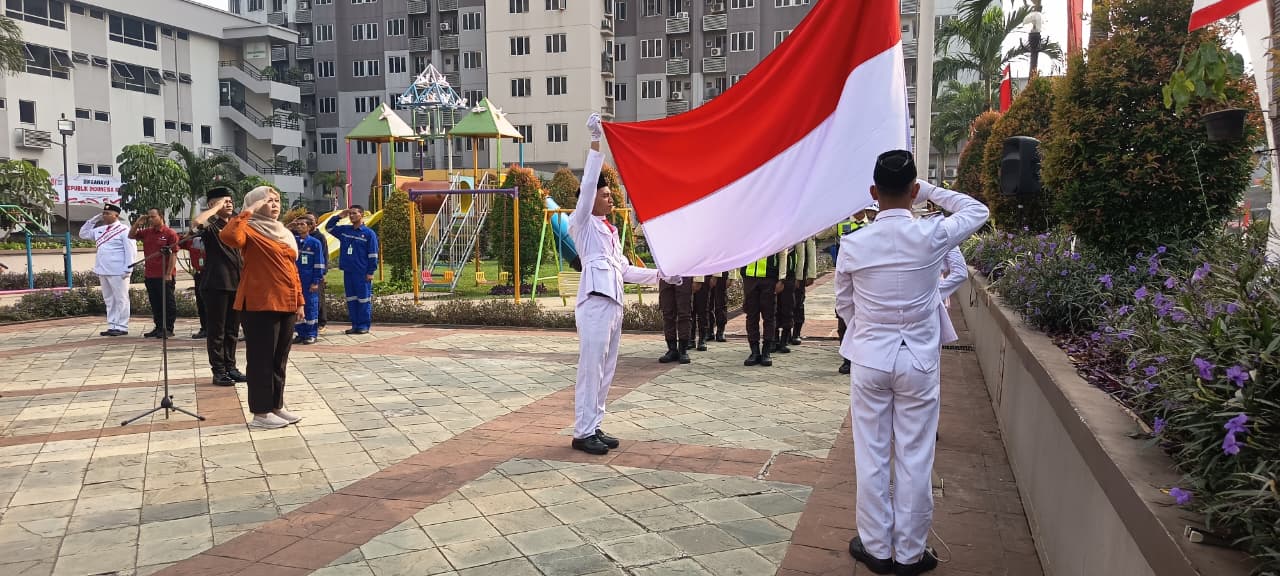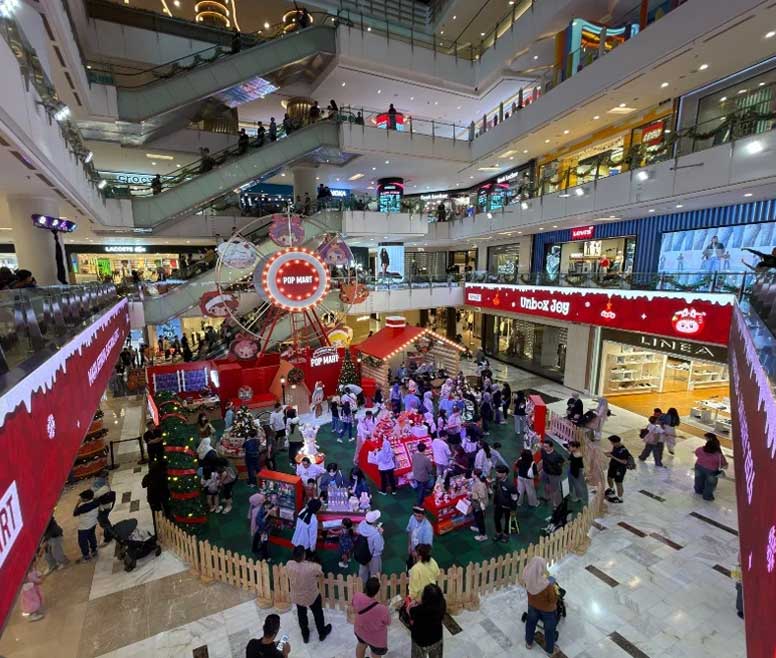
How increased visitor traffic, changing operational demands, and peak-season activity test the readiness of shopping-centre security operations
The year-end shopping season is one of the busiest periods for shopping centres in Indonesia. Promotional campaigns, seasonal events, school holidays, and Christmas and New Year activities significantly change visitor traffic, delivery patterns, and daily operations.
Mall management plans these activities well in advance. Marketing campaigns are prepared, tenants coordinate promotions, events are scheduled, and operating arrangements are adjusted for expected crowds. Security planning deserves the same level of attention.
The issue is not simply whether enough guards are on duty. It is whether the security operation can remain effective when visitor movements increase, routines change, and several distinct areas require attention at the same time.
The Scale of the Pressure
The Indonesian Shopping Centre Management Association (APPBI) identifies the Christmas and New Year period as the retail industry’s second major peak season after Ramadan and Idulfitri. Visitor activity typically begins increasing ahead of Christmas and continues towards the New Year, bringing additional demands on shopping-centre operations.
While the scale of increased activity varies by property, the seasonal shift illustrates the operational pressure that peak trading periods can place on management teams.
Why Routine Deployment Breaks Down
Security arrangements are usually designed around normal operating conditions. On ordinary trading days, visitor flows, staffing requirements, and access arrangements follow relatively predictable patterns.
Peak periods change those patterns. Entrances become busier. Parking facilities experience heavier turnover. Special promotions draw larger crowds into specific common areas. Meanwhile, tenant deliveries and stock replenishment must continue behind the scenes to keep shelves supplied.
The operational pressure rarely stems from one major security incident. Instead, it builds through several smaller, simultaneous demands: an entrance that requires closer monitoring, a crowded atrium that needs pedestrian traffic coordination, a delivery truck arriving during peak visitor hours, and a supervisor who must still maintain visibility over the rest of the property.
When these demands overlap, a security operation that relies too heavily on routine deployment can struggle to respond. Adding personnel may be necessary, but increasing headcount without reviewing deployment arrangements does not automatically improve security. A mall may have sufficient guards on paper and still experience operational gaps if personnel are not positioned according to actual conditions.
Supervision is critical here. Supervisors must identify emerging pressure points, coordinate personnel, monitor changing conditions, and ensure important information reaches mall management promptly. Without active, trained supervision, additional manpower becomes little more than additional names on a duty roster.
Four Areas That Require Active Control
1. Visitor Movement and Crowd Management
High concentrations of people around promotional areas, seasonal attractions, and popular anchor tenants require active monitoring. Congestion, obstructed access routes, and poorly managed pedestrian flows can quickly create safety concerns if not addressed promptly.
2. Access Control and Deliveries
Supplier, contractor, and replenishment movements do not stop just because visitor numbers increase. Delivery schedules, authorised access, and restricted-area procedures must remain properly controlled, especially when loading docks and service entrances experience heavier activity.
3. Coordination and Incident Response
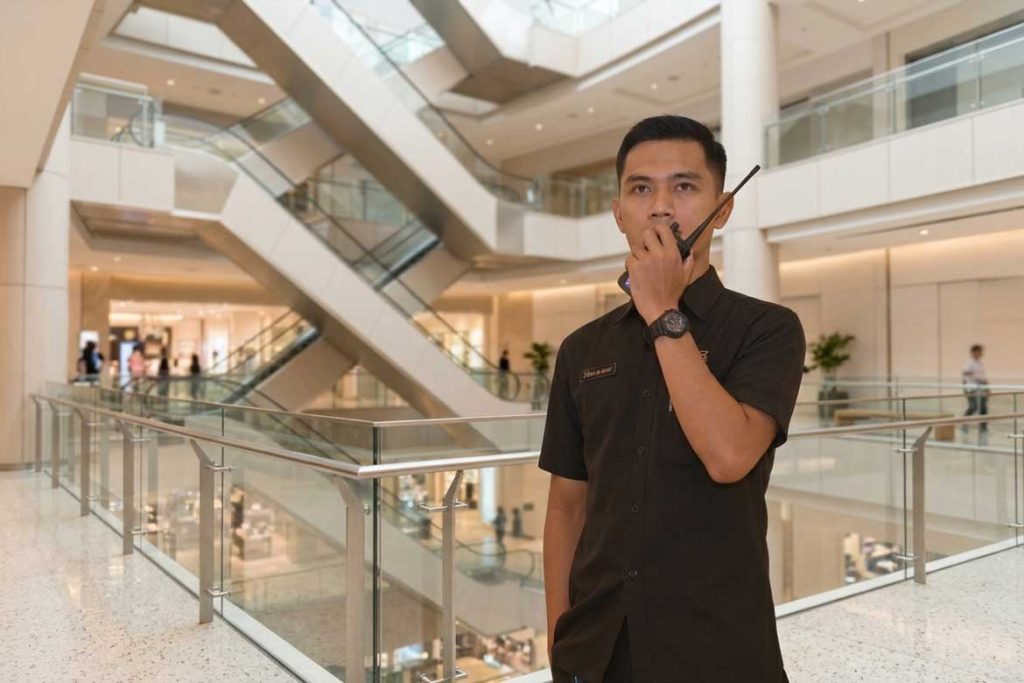
A minor incident or medical emergency in one area may require immediate support from personnel stationed elsewhere. Clear radio communication, defined escalation procedures, and coordinated responses become increasingly important when multiple festive activities are running simultaneously.
4. Supervisory Coverage
A supervisor is not effective simply by being physically present on the property. There must be a systematic coverage plan, regular checkpoint monitoring, and clear responsibility for identifying and resolving operational weaknesses before they develop into larger problems.
These are existing daily responsibilities, but they become considerably more demanding when the operating environment changes.
Preparation Must Happen Before the Crowds Arrive
Waiting until visitor numbers increase leaves little room to correct operational weaknesses. Mall management and security service providers should conduct a joint operational review well ahead of the peak festive period.
That review should cover expected visitor patterns, staffing and deployment arrangements, supervisory patrol routes, delivery windows, communication procedures, and emergency coordination with relevant authorities. Temporary changes in operating hours, promotional activities, and special events should also be assessed for their impact on the normal security layout.
Once the peak period begins, continuous monitoring must take over. Deployment adjustments and daily shift briefings should reflect actual conditions on the ground, rather than relying entirely on the original plan. The objective is to identify pressure points before they affect the wider commercial operation.
Security Must Keep Pace with the Operation
A successful festive season is not measured by visitor traffic and retail sales alone. The shopping centre must also maintain a safe, orderly, and well-managed environment while commercial activity increases.
Achieving that requires more than temporary additional personnel for a few busy weeks. It requires disciplined guards, active field supervision, clear operational procedures, and management that stays informed about conditions on the ground.
For shopping-centre operators, the year-end period should be treated as a comprehensive operational readiness exercise, not simply a seasonal manpower adjustment. When visitor numbers increase, the security operation must be able to adapt accordingly.
The true test of a security operation is not how many guards are deployed on a shift, but whether the entire operation remains under control when demand is at its highest.
Ensure Your Property Is Ready for the Peak Season
Managing high-traffic periods requires operational precision and active on-site supervision. SAGAS works with commercial property management teams to review security deployment, supervisory coverage, and operational readiness.
Contact the SAGAS team to discuss a joint operational readiness review for your property.