Maintaining effective security controls when business operations require flexibility
Security procedures are designed to establish clear expectations: who may enter a facility, what must be checked and how unusual situations should be handled. But business operations do not always go according to plan.
A delivery arrives outside its scheduled window. A contractor needs urgent access to repair essential equipment. A production manager requests an exception to avoid a costly delay.
These situations may involve legitimate business needs, not deliberate attempts to bypass security. Yet how they are handled can determine whether established controls remain effective.
The challenge is not simply to follow procedures or accommodate operational demands. It is to manage the situation without compromising the purpose of the controls.
When the Procedure Does Not Cover Everything
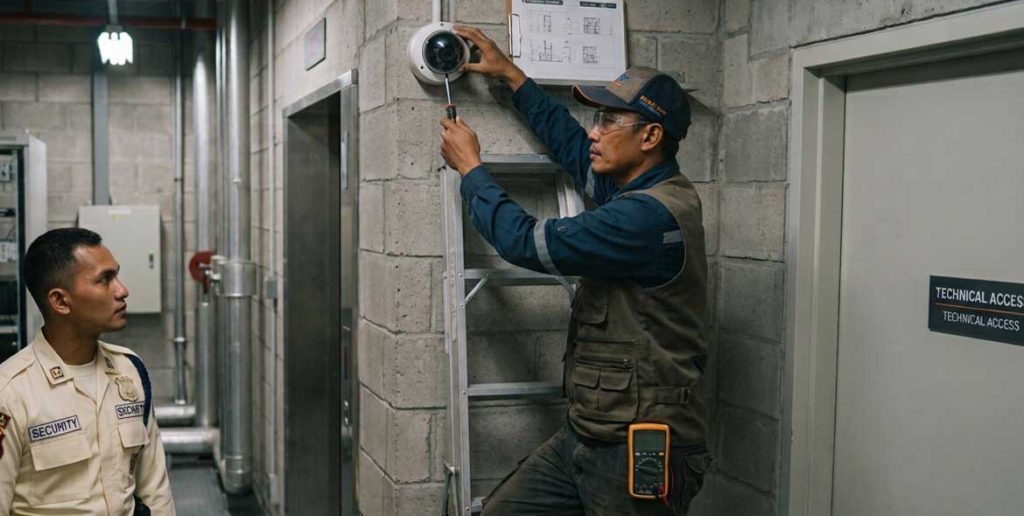
Consider a contractor who arrives to repair equipment that has unexpectedly failed. The work is urgent, but the contractor is not on the approved access list. Allowing entry without proper verification could introduce an avoidable risk. Refusing access without escalating the matter could prolong an operational disruption.
The guard should not be expected to decide independently whether the urgency justifies bypassing a security requirement. Equally, the situation should not end with a refusal if an authorized decision-maker can resolve it.
What matters is whether a clear process exists to address the conflict.
The appropriate response may involve verifying the contractor’s identity, obtaining confirmation from an authorized client representative and completing the required access checks before entry. The exact steps depend on the site, the nature of the work and the risks involved.
The principle is straightforward: operational urgency may require a faster decision, but it should not automatically remove the need for authorization.
When Exceptions Become the Normal Practice
A single exception does not necessarily weaken a security arrangement. Problems arise when exceptions are made without clear authority, defined boundaries or appropriate follow-up.
A familiar visitor may be allowed through because someone says they are expected. A contractor may be admitted because a manager has requested it. Over time, similar requests may become routine, even when the original circumstances no longer apply.
What began as an exception can gradually become an informal alternative to the established procedure.
This is not solely a question of whether an individual followed instructions. It also raises questions about how exceptions are authorized, communicated and reviewed. If the same deviation occurs repeatedly, management should consider why. The procedure may not reflect actual operating conditions, responsibilities may be unclear, or operational planning may need improvement.
Without that review, personnel may continue dealing with the same problem one incident at a time.
Clear Responsibilities Make Flexibility Possible
Security guards, security supervisors and client representatives have different responsibilities.
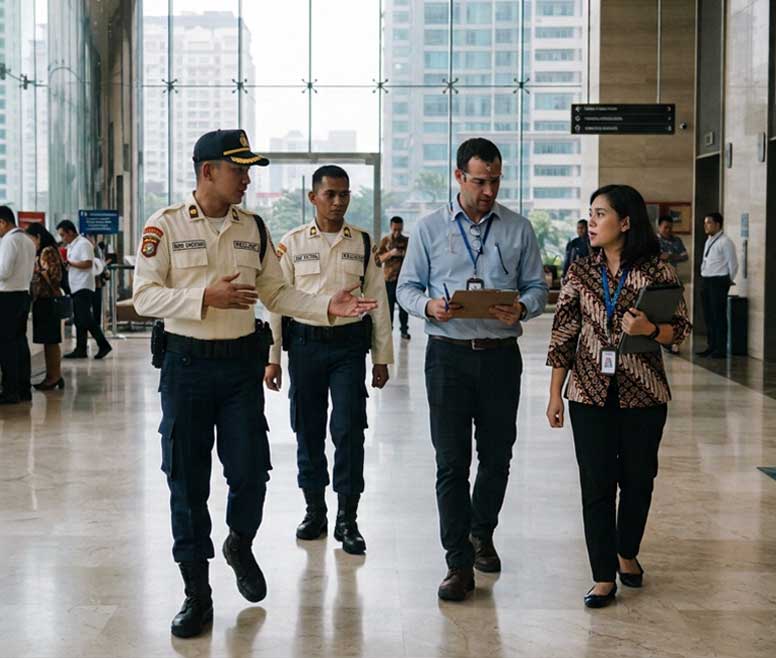
Guards are expected to apply procedures, verify relevant information, report concerns and escalate situations beyond their authority. They should not be left to make commercial or operational decisions without the necessary information or authorization.
Client representatives understand the business implications and should identify who has the authority to approve an exception. The security provider must ensure its personnel understand the applicable procedures and know how to obtain a decision.
This arrangement must work in practice, including outside normal office hours when the usual decision-maker may not be available.
Management should establish who can authorize exceptions, which requirements cannot be waived, what checks remain necessary and how decisions should be recorded. Repeated requests should also be reviewed to determine whether the underlying procedure or operating arrangement needs to change.
The objective is not to create more paperwork. It is to ensure that flexibility is deliberate, authorized and consistent with the level of risk.
Security Must Work With the Operation
Security and business operations are not opposing objectives. Both contribute to an organization’s ability to operate reliably. Procedures that ignore legitimate operating conditions may be difficult to apply consistently. But allowing requirements to be bypassed whenever pressure arises makes security controls less dependable.
Effective security requires more than instructing guards to follow the rules. It requires workable procedures, clear decision-making authority and cooperation between those responsible for security and those responsible for the operation.
Security procedures are most valuable when they remain dependable under pressure—not only when everything goes according to plan.