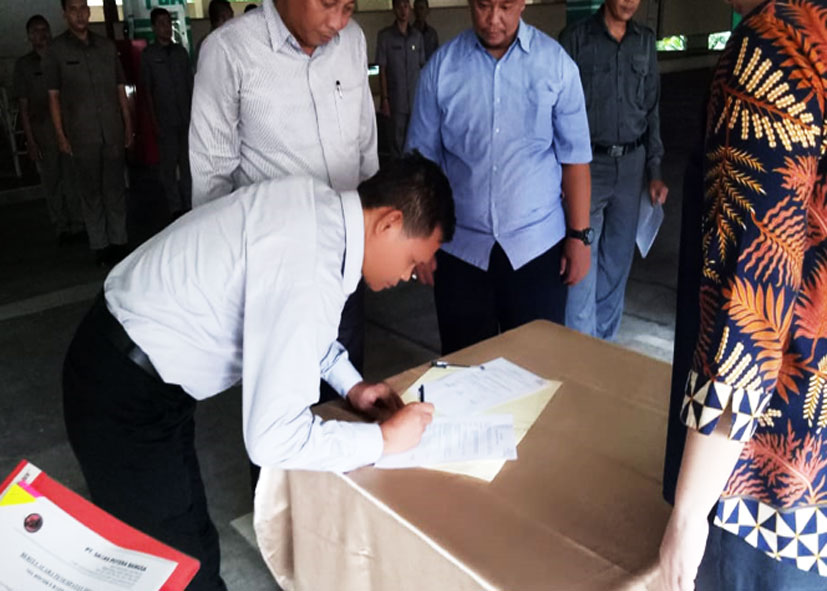
What every organization should consider beyond manpower and pricing
Changing a security provider is a significant operational decision. While pricing, commercial terms, and contract conditions often influence the final choice, they should not be the only considerations.
A successful transition is measured not simply by how quickly a new provider takes over, but by how effectively security performance is maintained throughout the change.
Before making that decision, there are several operational questions worth considering.
What Exactly Is Changing?
When organizations change security providers, attention often focuses on visible changes—new uniforms, different supervisors, revised reporting lines, or updated administrative processes.
In some cases, even the frontline security personnel may remain largely the same. However, security performance depends on more than the individuals standing post. Behind every deployment is an operational framework that includes supervision, reporting discipline, escalation procedures, communication channels, and management oversight. These are the systems that shape how security is delivered every day.
A provider transition should therefore be viewed not simply as a change in vendor, but as a change in how the security operation is managed.
Will Operational Knowledge Be Preserved?
Every security operation develops knowledge over time. This includes site-specific routines, access patterns, operational sensitivities, lessons from previous incidents, and working relationships with client personnel.
Some of this knowledge is documented. Much of it is gained through day-to-day operations. A well-managed transition ensures that important operational knowledge is identified, documented where appropriate, and effectively transferred. Without deliberate planning, valuable context can be lost—even when daily operations appear to continue as usual.
Continuity should never be assumed. It should be managed.
How Will Standards Be Maintained?
Every security provider has its own management approach.
Reporting formats may differ. Supervisory routines may change. Performance reviews may follow different standards. Communication channels and escalation procedures may also be adjusted.
None of these changes are necessarily good or bad. What matters is whether they are introduced in a structured manner and aligned with the client’s operational requirements.
Consistency is often one of the strongest indicators of an effective security operation. During a transition, maintaining that consistency should be a priority.
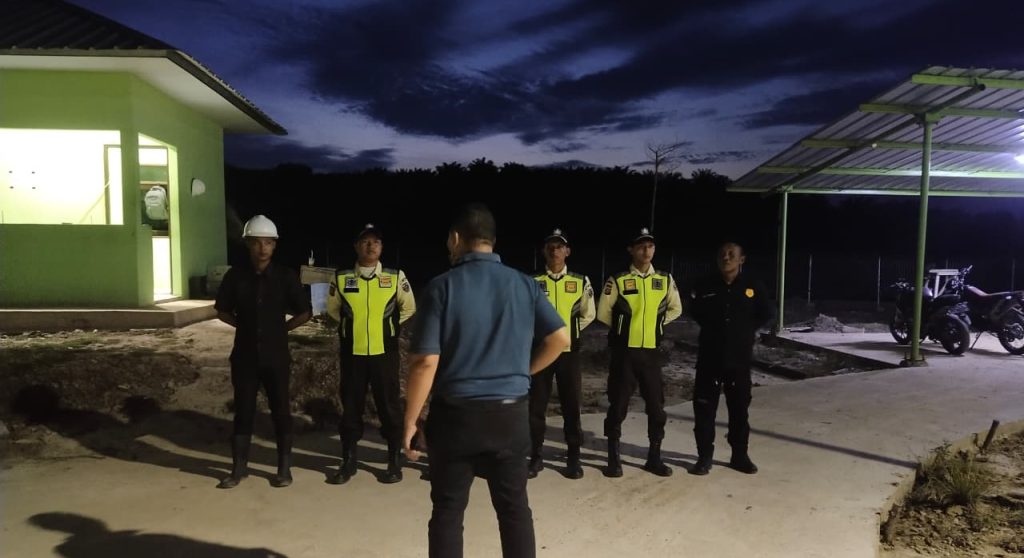
What Should a Good Transition Look Like?
An effective provider transition is planned—not improvised. It should include:
- A structured handover process.
- Clear documentation of site-specific procedures.
- Alignment between outgoing and incoming operational teams where appropriate.
- Defined supervisory responsibilities from day one.
- Early review of reporting expectations and communication channels.
The objective is not simply to replace one service provider with another. It is to ensure that operational performance remains stable throughout the transition.
Before Making Your Decision
Selecting a security provider is ultimately about more than manpower or pricing. Before making a decision, organizations should consider asking:
- How will operational knowledge be preserved during the transition?
- What supervisory structure will support the deployment?
- How are reporting standards established and monitored?
- How will operational continuity be maintained from the first day of service?
- What processes are in place to identify and address issues during the transition period?
These questions often provide a clearer picture of long-term performance than commercial terms alone.
Looking Beyond the Contract
Changing a security provider is an opportunity to strengthen—not simply replace—an existing security operation. Organizations that evaluate continuity, supervision, and operational management alongside commercial considerations are often better positioned to achieve consistent long-term performance.
If your organization is reviewing its current security arrangements or preparing for a provider transition, taking time to evaluate these operational considerations can help reduce unnecessary disruption and support a smoother transition.
The SAGAS team is always available to discuss practical approaches tailored to your operational environment.