Simple health protocols that support workplace resilience
The COVID-19 coronavirus presents a clear risk to business operations: it disrupts workforce health, productivity, and stability. As a leader in systematic manpower solutions, we view health security not as a separate concern, but as a critical component of operational reliability.
Protecting your team isn’t just about health-it’s about maintaining business continuity. The following protocols form a simple, actionable system to safeguard your people and ensure your operations can endure.
1. Hand Hygiene: The First Line of Defense
Make frequent, proper handwashing a non-negotiable site protocol. Enforce the use of soap and water or an alcohol-based hand sanitizer (at least 75% alcohol) at all entry/exit points and common areas. This single step systematically breaks the most common chain of transmission..
2. Avoid Touching the Face: A Matter of Discipline
The eyes, nose, and mouth are primary entry points for the virus. Train staff on the critical importance of avoiding face contact with unwashed hands. This requires conscious discipline, turning personal awareness into a collective defense mechanism.
3. Maintain Physical Distance: Redesign for Safety
Reorganize workspaces and procedures to maintain a minimum of 2 meters between individuals. This distance is a proven barrier against respiratory droplets from coughs or sneezes. Manage crowd density in common areas-operational flow should prioritize safety over shortcuts.
4. Respiratory Etiquette & Mask Usage: Contain the Threat
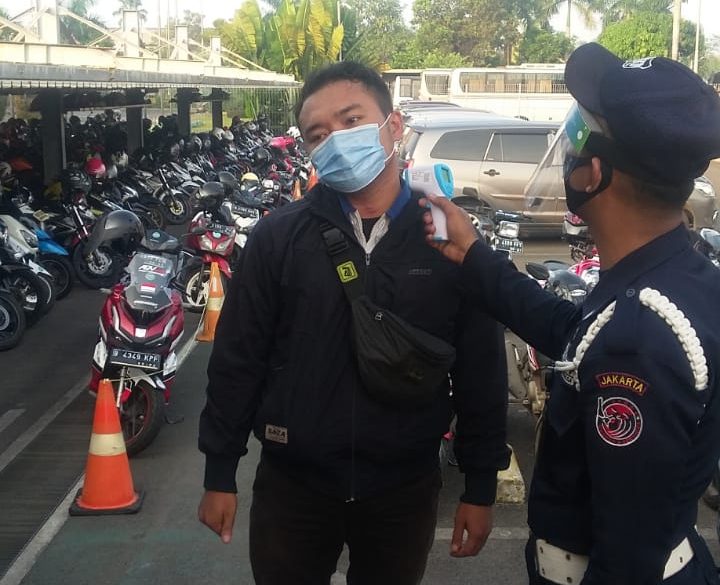
Implement a clear policy: cough or sneeze into a bent elbow or disposable tissue, followed by immediate hand hygiene. For individuals showing symptoms (fever, cough, breathlessness), mandate the proper use of a medical mask to contain the threat at its source.
5. Stay Home When Unwell: A Policy of Collective Responsibility
Mandate that any employee feeling unwell must not report to work. Frame this not as absenteeism, but as a responsible action to protect the entire workforce and maintain operational integrity. Early signs of infection must be met with isolation, not exposure.
6. Seek Medical Advice: Act Decisively on Symptoms
Establish a clear and immediate action protocol for symptoms like fever, cough and difficulty breathing. Direct staff to seek prompt medical attention. Decisive action prevents wider outbreak and demonstrates a commitment to employee welfare.