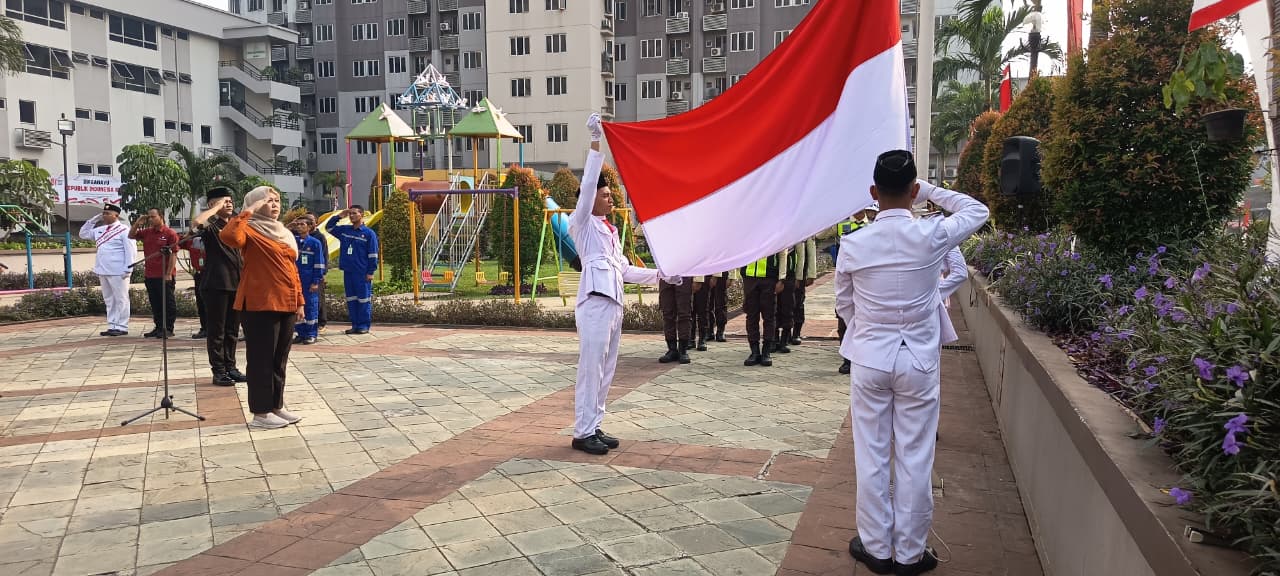
The operational purpose of formal security commencement
Security does not begin when the first guard takes position.
It begins when an organization formally acknowledges that protection, authority, and responsibility have been introduced into its environment. This moment is often visible, sometimes ceremonial, and frequently misunderstood. Its purpose is not symbolism. It is operational.
Security Has a Start Boundary
In mature operations, security is treated as a system with a clear boundary: before and after. Before that boundary, risk is tolerated differently. After it, behavior, escalation paths, and authority change.
A formal commencement marks that boundary. It signals to staff, visitors, contractors, and management that expectations have shifted. Access is now regulated. Movement is now observed. Decisions now follow defined authority.
Without this boundary, security exists only as presence — not as structure.
Why Informality Creates Friction
When security is introduced quietly or informally, organizations often experience resistance later:
Staff question authority because it was never formally established
Supervisors hesitate to enforce boundaries they did not see defined
Incidents escalate unnecessarily due to unclear responsibility
These are not personnel problems. They are system introduction failures. A visible, structured start reduces ambiguity. It makes later enforcement feel consistent rather than arbitrary.
Visibility Is Not Performance
Formal commencement is often mistaken for display. In reality, its function is restraint.
The objective is not to demonstrate force, readiness, or capability. It is to demonstrate order:
Who is present
Who supervises
How authority is layered
Where responsibility sits
When done correctly, the moment is calm, controlled, and unremarkable — precisely because it establishes normality rather than spectacle.

Authority Is Established Early or Contested Later
Organizations that treat security as “just another vendor onboarding” often face downstream issues:
Guards are tested unnecessarily
Supervisors are bypassed
Escalation becomes personal instead of procedural
A formal start prevents this. It communicates that security decisions are not improvised, and that authority does not belong to individuals acting alone. This clarity protects both the organization and the people tasked with securing it.
A System Event, Not a Milestone
Security commencement is not a milestone to celebrate. It is a system event to acknowledge.
Once it passes, it should fade into the background. If it remains visible, something is wrong.
Effective security becomes unremarkable precisely because its foundations were clearly set at the beginning.
Why Serious Operators Care About the First Day
Organizations with long operational horizons understand this: How security begins shapes how it is respected, challenged, and relied upon later.
A disciplined start does not guarantee incident-free operations. It does guarantee that when incidents occur, responses are grounded in structure rather than improvisation.
That is the difference between presence and system.