Security frameworks for complex healthcare environments
Hospitals are high-stress, 24/7 environments where security failures cost more than money—they impact care.
Securing a hospital requires more than guards—it demands a systematic understanding of unique vulnerabilities. From controlling pharmacy access to managing high-stress emergencies, the principles of effective healthcare security are universal, whether at a community clinic or a large regional center.
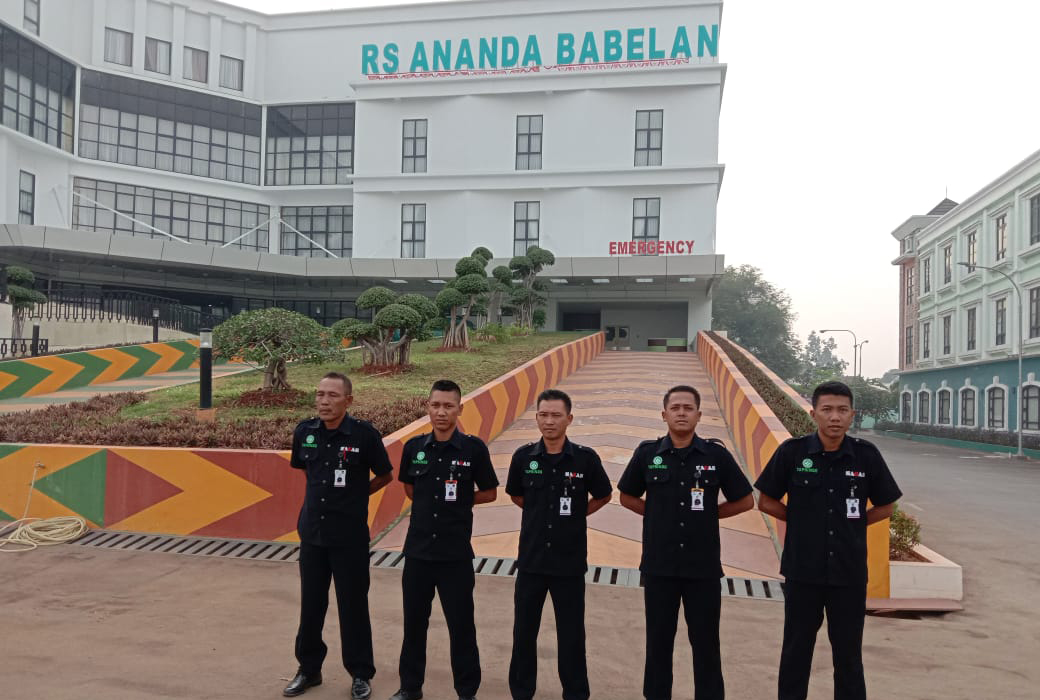
At SAGAS, we’ve implemented these protocols on the ground, including during a service period at Ananda Babelan Hospital. This direct experience informs our framework for what every healthcare facility must get right.
Core Challenges in Healthcare Security:
Layered Access Control: Separating public, staff, and restricted zones (pharmacies, labs, nurseries).
High-Stress De-escalation: Managing emotional patients and visitors to protect staff and maintain calm.
Critical Asset Protection: Securing medicines, equipment, and patient data from diversion or theft.
Emergency Integration: Coordinating seamlessly with internal code teams and external emergency services.
Our On-Site, Systematic Approach:
Our role is to build a predictable operational layer so clinical staff can focus on care.
Mapping & Protocol Design: Creating clear, facility-specific plans for movement and response.
Trained Composure: Personnel trained for vigilance and calm communication in medical settings.
Integrated Communication: Ensuring security acts as a cohesive unit with hospital administration.
The Takeaway for Facility Managers:
Effective security in sensitive environments isn’t about the guard, but the system they execute. It requires a partner who understands the operational rhythm and stakes of your unique facility.