Government and emergency-response environments operate under a higher level of scrutiny than most commercial sites
Beyond physical protection, these facilities demand discipline, procedural compliance, and accountability at every level. In such contexts, deploying security personnel alone is not sufficient. What determines operational effectiveness is the presence of structured, on-site supervision.
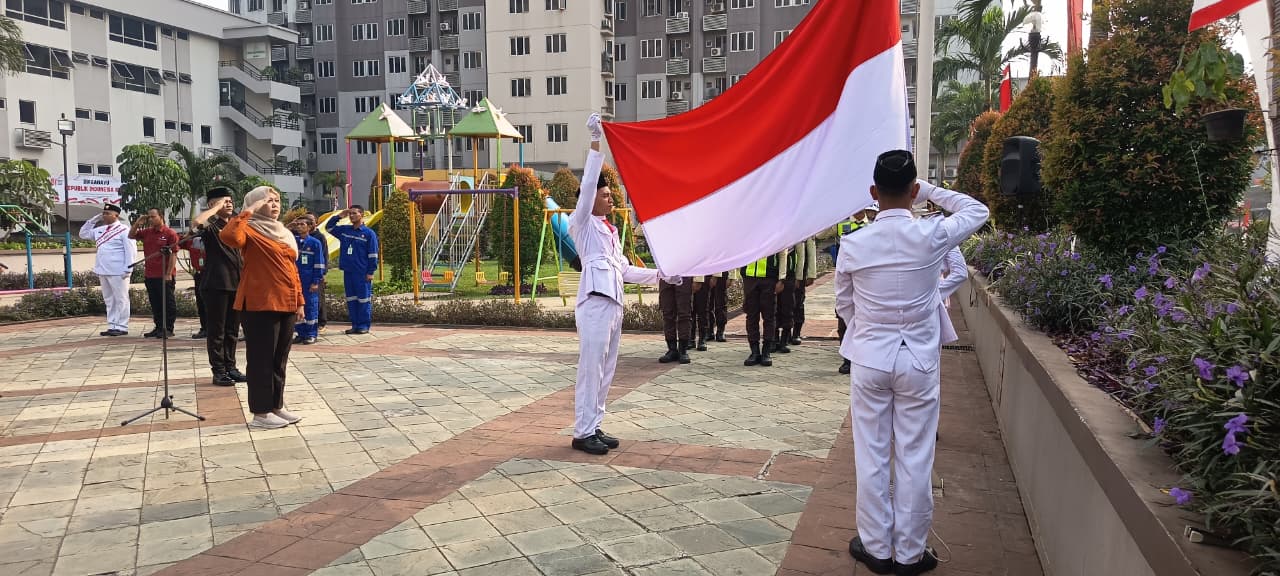
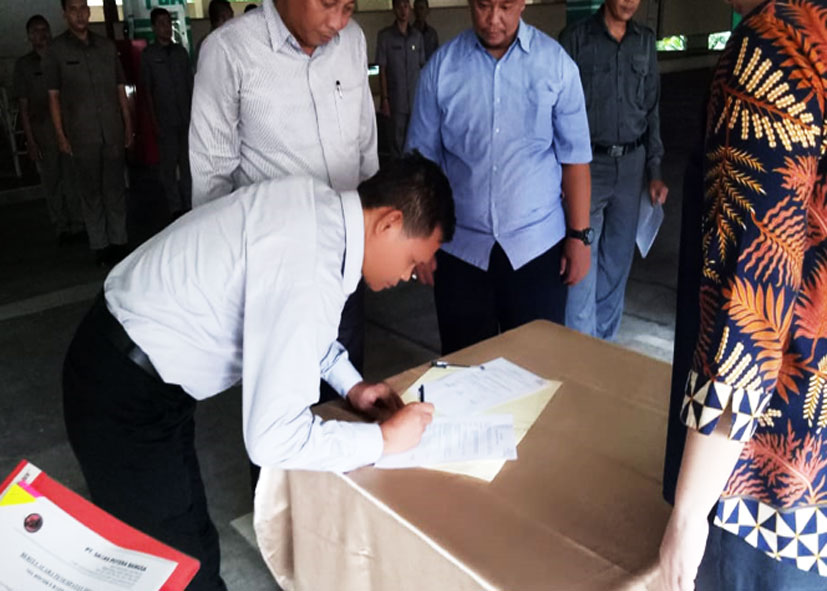
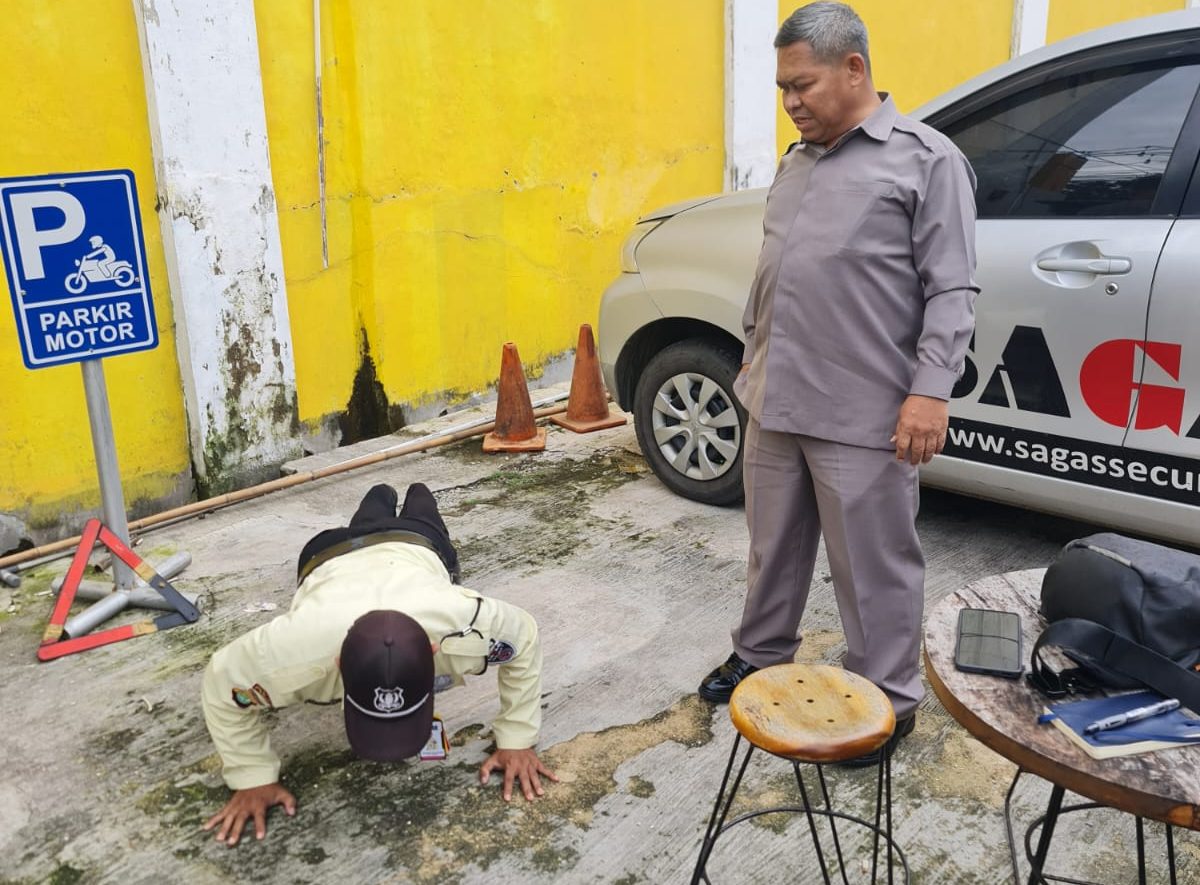
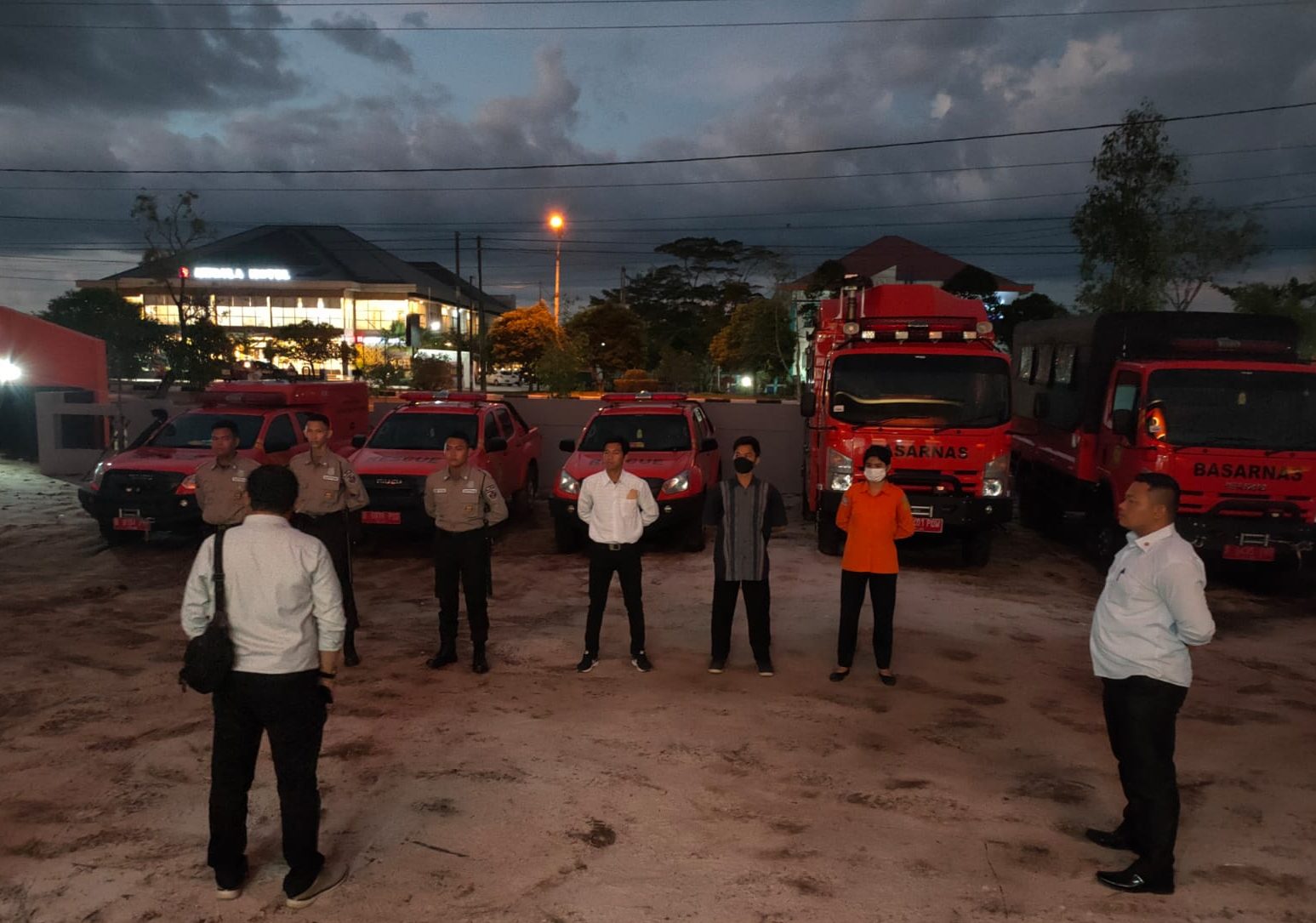
During a past security assignment at a BASARNAS (National Search and Rescue Agency) facility in Palangka Raya, SAGAS implemented routine supervisory site visits to ensure personnel readiness and adherence to established protocols. These visits were not ceremonial. They focused on validating attendance, evaluating posture and conduct, reinforcing site-specific procedures, and addressing operational gaps directly on the ground.
Public-Sector Environments Present Unique Challenges
Security personnel must operate within formal chains of command, comply with government regulations, and interact with multiple stakeholders. Without supervisory oversight, even trained guards may gradually drift from expected standards due to routine fatigue, unclear instructions, or site-specific complexities.
On-site supervision functions as a control mechanism. Supervisors act as the bridge between manpower deployment and operational intent. They ensure instructions are interpreted correctly, incidents are escalated appropriately, and performance remains consistent over time. This layer of oversight is particularly critical in government facilities, where lapses in discipline or documentation can carry reputational and procedural consequences.
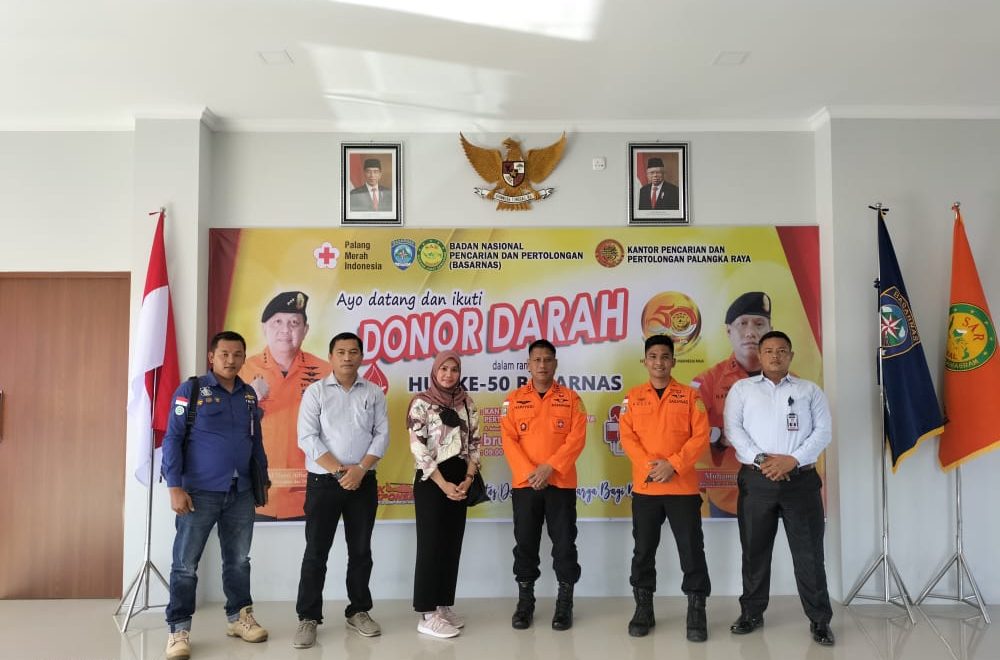
Routine supervisory site visit during a government security deployment in Palangka Raya
Equally Important — Supervision Provides Transparency
Regular site visits create documented checkpoints that allow clients to verify that security arrangements are functioning as designed. Rather than relying on assumptions, decision-makers gain visibility into how manpower performs in real conditions.
For organizations operating in government, emergency, or regulated environments, security effectiveness is not defined by headcount alone. It is determined by how well people are managed, monitored, and supported on-site. Structured supervision ensures that security deployments remain disciplined, compliant, and aligned with institutional expectations — long after the initial deployment phase.
Learn how structured supervision strengthens security operations — contact SAGAS to discuss your requirements.