How layered security protects yield, mitigates loss, and turns risk into resilience
For plantation management, effective security is not a single task—it is an integrated management system. It functions as a series of interconnected layers, each designed to protect a specific part of the operation, from the outer fence line to the final shipment. This systematic approach transforms security from a line item into a core component of operational certainty and yield protection.
Layer 1: Documented Patrols for Comprehensive Accountability
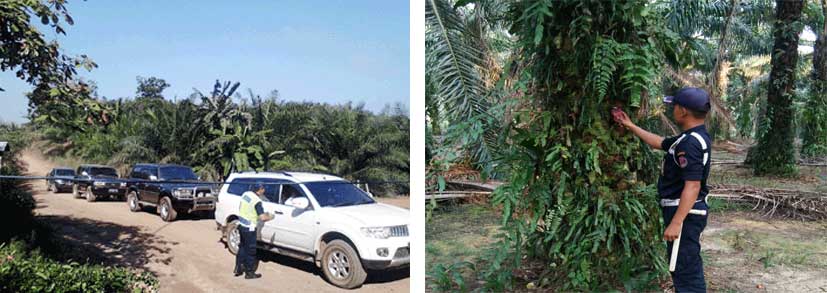
A visible and unpredictable presence across vast areas is fundamental. Patrols are logged at geo-tagged checkpoints to ensure consistent coverage and create an auditable record of security activity, deterring theft and vandalism.
Layer 2: Yield Verification at the Point of Exit
The harvested Fresh Fruit Bunches (FFB) represent direct, transportable revenue. Verification protocols at loading and exit points act as a critical final control to prevent losses and ensure only authorized shipments leave the premises.
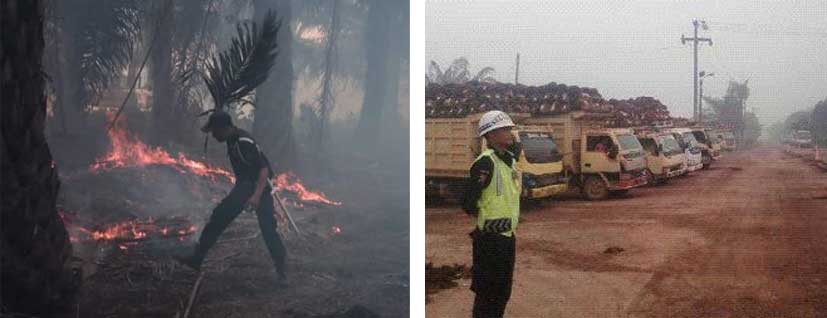
Layer 3: Static Guarding of High-Value Logistics
Concentrated assets like loaded truck fleets and machinery are high-value targets. Dedicated static guarding secures these capital-intensive logistics hubs, preventing tampering, fuel theft, and unauthorized access that cause costly operational delays.
Layer 4: Initial Emergency Response Preparedness
Fire represents a catastrophic operational risk. Personnel trained in initial firefighting response can contain hotspots, protecting assets and buying critical time for full-scale emergency services to arrive, thereby safeguarding hectares of future yield.
Layer 5: Systematic Access and Traffic Control
All security measures depend on controlled entry and exit. Managing the flow of all personnel and vehicles at key intersections is a foundational protocol that regulates movement, deters unauthorized entry, and maintains oversight of all activity on-site.
Conclusion: The Integrated Security Management System
Individually, these protocols address specific vulnerabilities. Together, they form a cohesive management system that protects current revenue, ensures operational uptime, safeguards future yield, and mitigates catastrophic risk. This is how professional security functions as a proactive component of strategic plantation management.
For a security assessment based on this integrated management approach, contact SAGAS.