Why security professionals and smart tools must work together in practice
Your Security Guard Isn’t Going Anywhere. (Here’s Why)
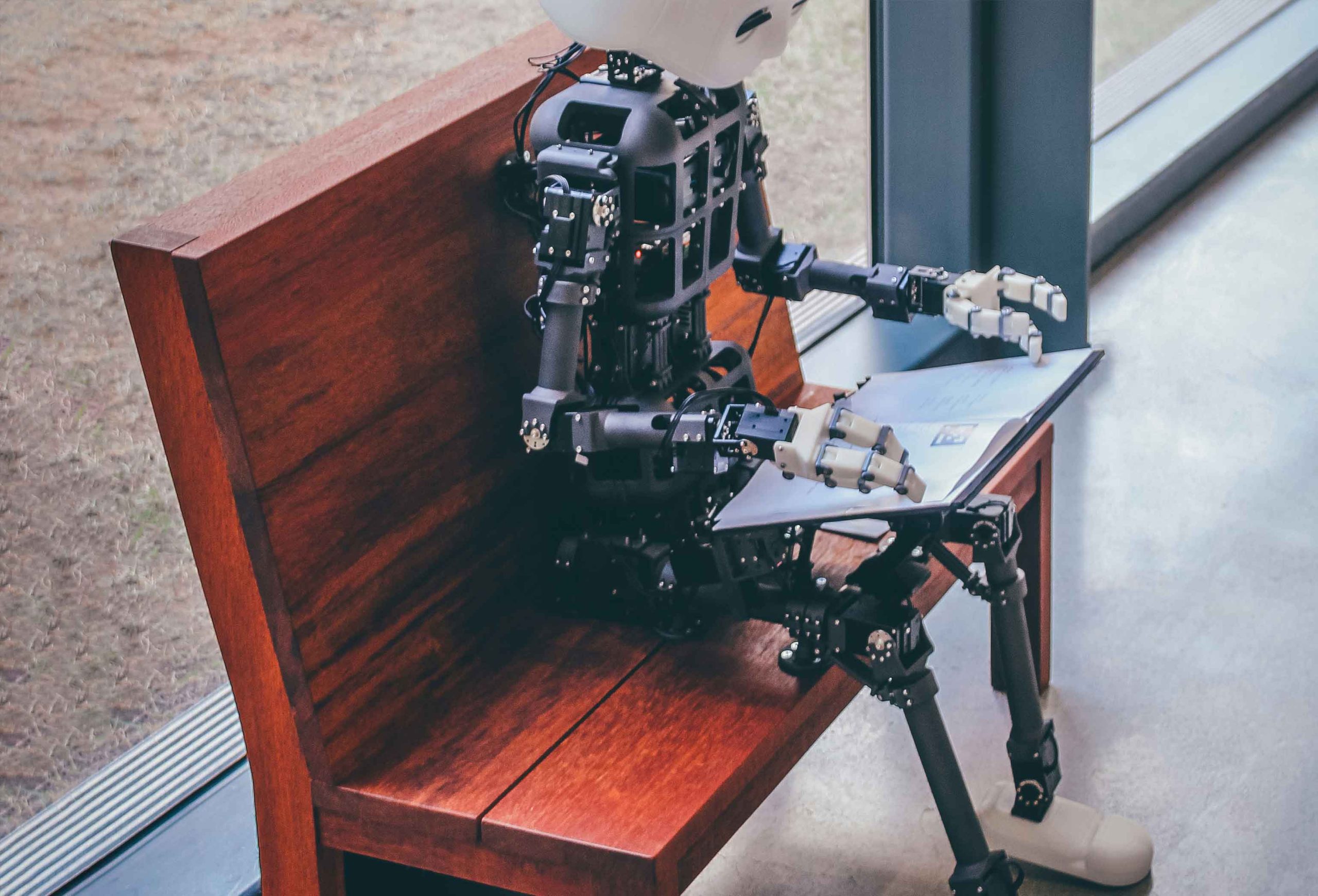
The future is here. Security cameras can now spot unusual behavior. Sensors can detect threats we can’t see. And yes, there are even robots that can patrol a hallway or respond to an alarm.
With all this smart technology, it’s fair ask: “Will this tech eventually replace the need for a human security team?”
The short answer is no. Not if you want true security.
Think of it this way: the most advanced home security system still needs a homeowner. The system provides incredible awareness—it’s the eyes and ears. But the judgment, the decision, and the action? That requires a human mind. A mind that understands context, feels empathy, and bears responsibility.
Technology is a phenomenal tool. But security isn’t just about tools. It’s about trust, judgment, and human certainty. Here’s why that will always come from a person.
1. AI Sees Patterns, People Understand Stories
A camera with AI might see a person pacing in a lobby. The data says: “Loitering. Flag.” A SAGAS security professional sees the story: Is this a nervous job interviewee? An agitated visitor? A person in need of medical help? They use judgment, empathy, and context to decide the right response—something no algorithm can truly do.
2. Technology Can Fail; People Can Adapt
What happens during a storm when the power flickers? Or if a camera lens gets dirty? Technology depends on perfect conditions. A SAGAS officer, trained for all scenarios, doesn’t just stop working. They become more alert, switch to backup procedures, and physically secure the area. They are the reliable constant when systems aren’t.
3. Presence Prevents Problems
A visible security officer does more than just respond to incidents—they prevent them. Their presence is a powerful deterrent. A camera might record a crime; a professional prevents it from happening in the first place. It’s the difference between having a watchdog (that barks) and a security camera (that just watches).

4. Compassion is Not a Program
In a hospital, a distressed family member might trigger a “restricted area” alert. AI would see an intruder. A security professional sees a human being in distress. They can de-escalate with calm words, guide them to the right room, and turn a potential conflict into care. This human touch protects your reputation as much as your property.
5. The Final Decision Must Be Human
Should an alarm trigger a full lockdown? Is a detected object truly a threat? These decisions carry real-world consequences—legal, ethical, and operational. AI can provide data, but it cannot bear responsibility. A trained SAGAS professional is accountable, makes the call based on training and ethics, and stands by it.
The SAGAS Promise – The Best of Both Worlds
At SAGAS, we embrace technology that makes our teams more efficient and alert. But our core belief remains unchanged: Operational certainty comes from disciplined, trained people you can trust.
We don’t sell gadgets; we provide systematic partnerships. Our security professionals are trained at our own SSTC to use technology as their eyes and ears, while relying on their own judgment, training, and integrity as their guide. They are the irreplaceable human element in any security system.
Ready for security that understands both technology and people? Let’s discuss how SAGAS’s human-led, tech-supported approach can bring true certainty to your operations.
[Contact SAGAS for a Consultation]