Choosing protection without disrupting the business itself
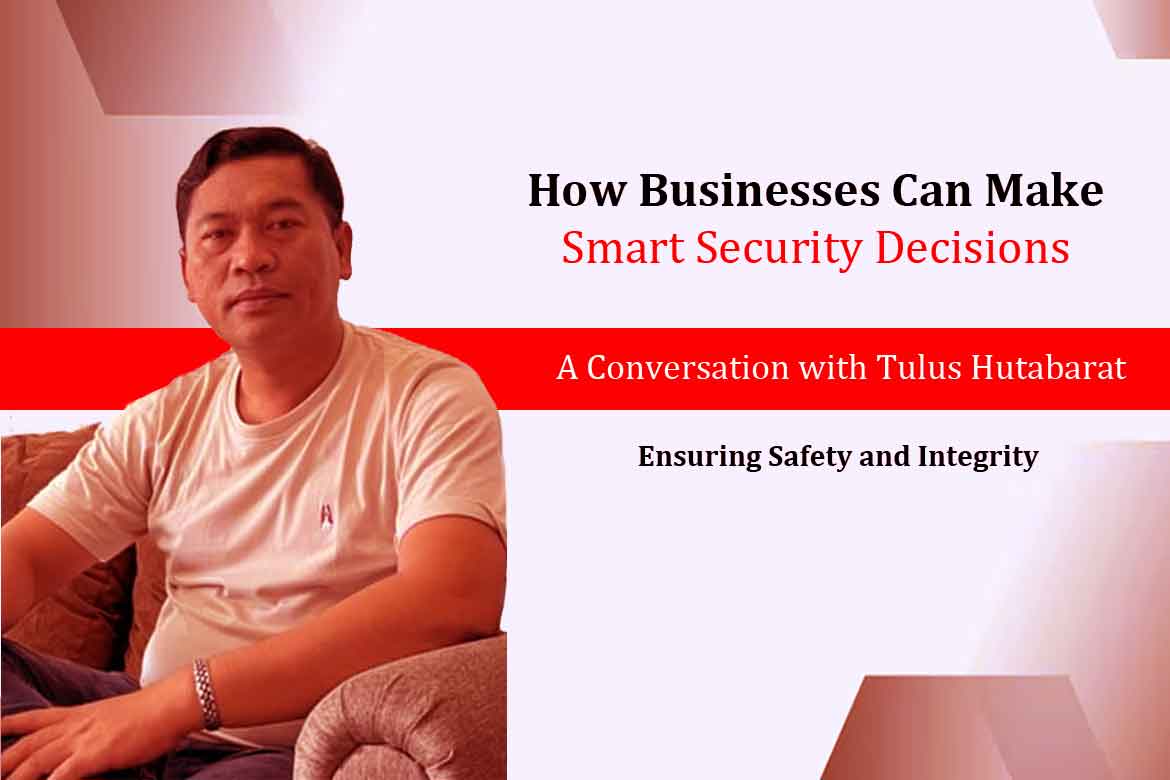
Ensuring Safety and Integrity: A Conversation with Tulus Hutabarat
Introduction
Security is one of those things that’s often overlooked until it’s needed. We sat down with Tulus Hutabarat, the Operations Director of SAGAS, not just as an executive, but as someone who has built his career on a simple principle: trust is the real foundation of safety. In a conversation that felt more like a direct chat than a formal interview, we got into the heart of what makes security work—and why the human element behind the uniform matters just as much as the systems they operate. We talked about the industry’s quiet challenges, the non-negotiables for clients, and how treating people with integrity isn’t just good ethics—it’s how you build reliability that lasts.
Izak Fajar:
Tulus, thank you for joining us. The security industry safeguards businesses, yet significant challenges persist for personnel. From wages to social security, what are the most pressing issues you see today?
Tulus H:
Thank you, Izak. Security guards are the backbone of this industry, yet they are often undervalued. Many are not paid minimum wage or lack mandatory BPJS coverage, leaving them—and by extension, the clients they protect—financially and physically vulnerable. At SAGAS, we believe fair compensation and strict adherence to labor regulations are non-negotiable. Compliance isn’t just about following rules; it’s about creating a safe, sustainable, and professional working environment.
Izak Fajar:
That’s a critical point. How does this focus on fair treatment and compliance actually improve security outcomes for the client?
Tulus H:
Directly and profoundly. A guard who is fairly paid, properly insured, and professionally trained is more motivated, alert, and reliable. This translates into better surveillance, faster response times, and consistent performance. Clients should know that choosing a provider based solely on the lowest bid is a significant risk. Lower costs often come from cutting corners on wages, benefits, and training, which directly compromises the quality of protection at your site.
Izak Fajar:
That leads to the client’s dilemma. What should businesses look for to distinguish a truly reliable security partner?
Tulus H:
They must look beyond price and presence. Here are the four key factors:
- Compliance & Transparency: Verify the company follows all labor laws, pays minimum wage, and provides full BPJS.
- Systematic Training: Look for invested, ongoing professional development, not just a basic certificate.
- Integrated Technology & Support: Modern security is a system. Personnel should be supported by tools for reporting, communication, and real-time oversight.
- Proven Track Record: Seek consistent reliability and positive client testimonials over time.

This is why we operate our own SAGAS Security Training Centre (SSTC) and maintain certifications like ISO 37001. It systematizes this commitment.
Izak Fajar:
Are there common misconceptions that hinder businesses from making a good choice?
Tulus H:
Yes, two major ones. First, that security is a generic, one-size-fits-all service. Every site has unique risks. Second, that guards are merely “watchmen.” In reality, our personnel are frontline risk mitigators, emergency responders, and customer service ambassadors for your brand. They need to be trained and supported accordingly.
Izak Fajar:
Finally, what is your core advice for a business selecting a security provider?
Tulus H:
View it as a strategic partnership, not a purchase. Investing in professional security is investing in uninterrupted operations and peace of mind. Conduct thorough due diligence: ask for proof of compliance, audit their training records, and choose a partner whose integrity is as robust as their operational protocols. At SAGAS, we build our services on this foundation of trust.
Izak Fajar:
Thank you, Tulus. This clarity is invaluable for businesses making this critical decision.
Izak Fajar, Jakarta