In general, the operational workflow of a palm oil plantation, from maintenance to harvesting, loading, pickup, milling, and producing crude palm oil (CPO), requires close attention to security in the field to ensure smooth operations and maintain or increase the company’s income.
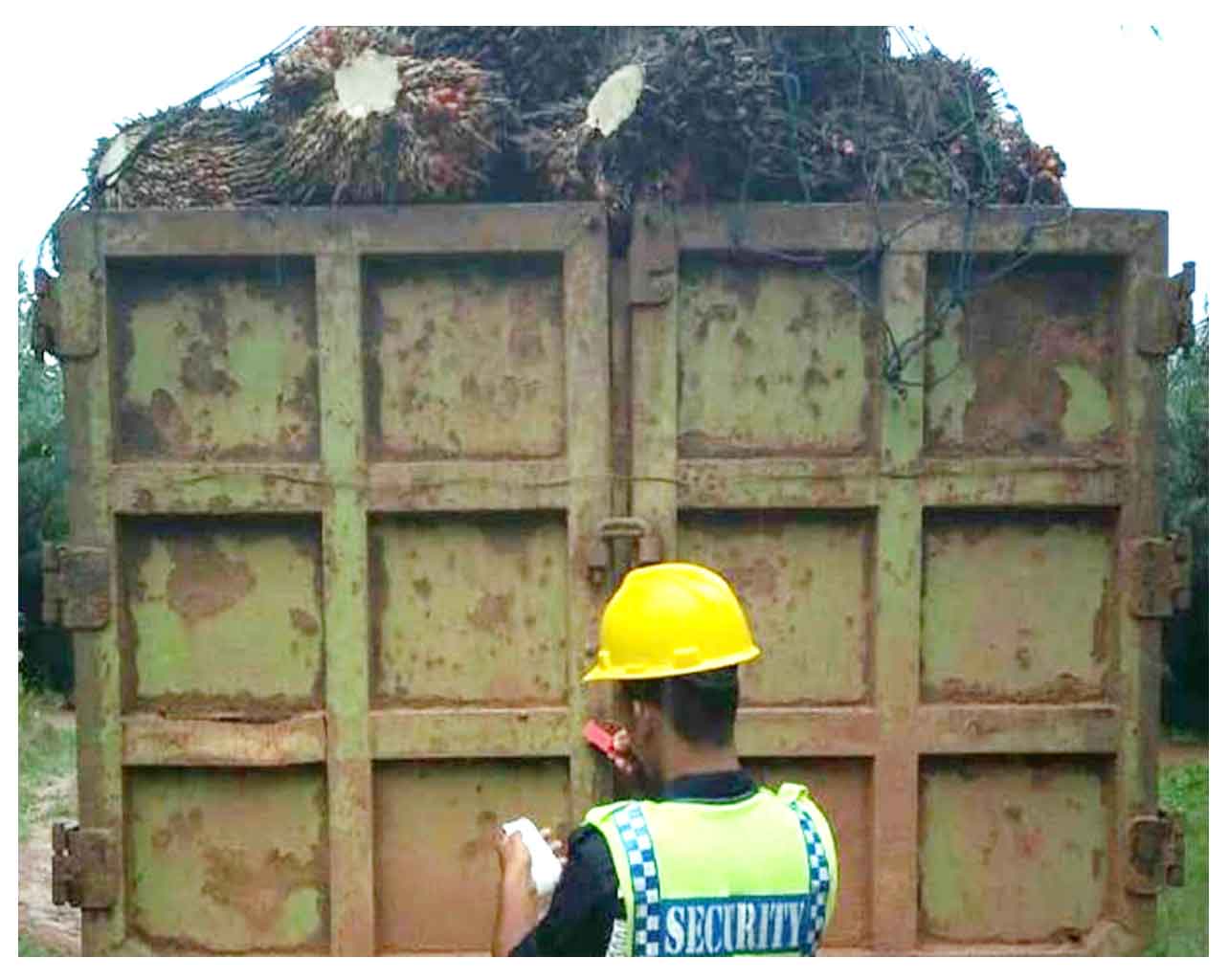
Various issues often disrupt these field activities, such as land disputes and fruit theft. Land disputes (especially with local residents), must be swiftly resolved to ensure the uninterrupted operation of the business, supported by essential documents in the field. Fruit theft is a primary concern for field security, as patterns in the field vary, and this issue becomes more pronounced when fruit prices rise.
To support these operational activities from a security perspective, aiming to minimize field problems and provide comfort to fieldworkers, management can consider security recommendations tailored to the evolving situation in the field.
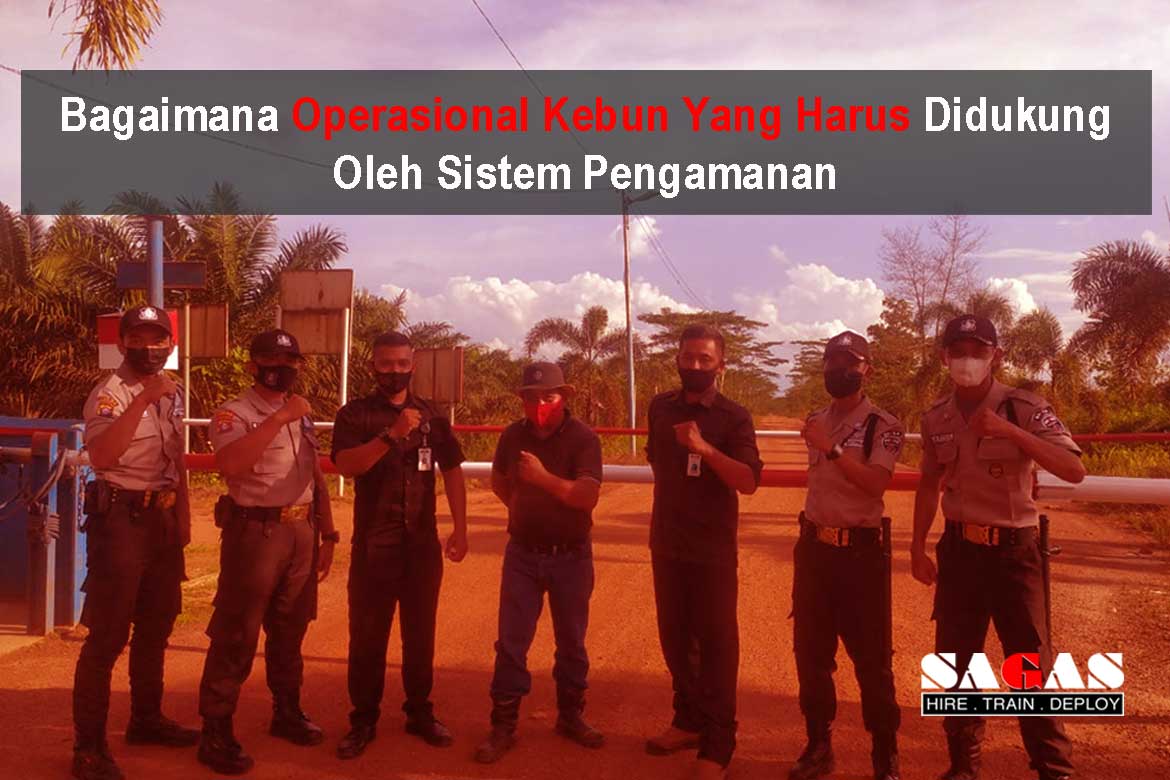
The security concept assigned to at least three key areas should be supported and prepared in terms of manpower.
1. Access Control as a Permanent Fixture
Control access to the plantation area effectively. This can involve using fences, gates, or electronic security systems like surveillance cameras and access cards. Only individuals with specific authorization should be allowed into the plantation area.
2. Mobile Posts
Mobile security posts should be placed strategically within the plantation. Mobile patrol teams should actively monitor these areas, particularly during vulnerable times such as harvest season or when fruit prices are high. They can provide a rapid response to emergencies like theft.
3. Patrol Teams
Patrol teams should be adapted to the plantation’s size and characteristics. They should routinely patrol to monitor activities around the plantation and report any suspicious incidents or disruptions.
4. Perimeter Patrol Routes
Establish patrol routes around the plantation perimeter, which may be equipped with moats or ditches. This helps identify and prevent unwanted access or theft within the plantation.
5. Security SOPs
Strictly implement Security Standard Operating Procedures (SOPs). These should include clear and stringent rules regarding plantation access, actions to take in emergency situations, and the responsibilities of security personnel.
6. Collaborating With Vendors and the Community
Collaboration with relevant parties, such as vendors and the local community, is crucial. Agreements should be made in writing, specifying the responsibilities of each party in maintaining plantation security.
7. Security Teams as Public Relations
The security team should also act as public relations representatives of the company within the community. They can communicate effectively with local residents, explain the importance of plantation security, and build positive relationships.
8. Utilizing Technologies
Besides personnel, technology such as surveillance cameras, motion sensors, and alarm systems can be used for real-time monitoring of security. This aids in quickly detecting intrusions.
9. Training
Security personnel should receive adequate training in handling various situations and security tasks. They should also have a good understanding of relevant laws and regulations.
10. Ongoing Management & Evaluation
Management should regularly evaluate the effectiveness of the security system and make improvements as necessary. This is essential to adapt to changing circumstances over time.
By implementing a comprehensive security approach and having the support of well-trained personnel, the security system can help maintain the smooth operation of a palm oil plantation and protect the company’s assets from various risks and disruptions.



 English
 Chinese (Simplified)
 Indonesian